News & Trends





01
The "Lifeline" of Vascular Access: Technological Innovation and Clinical Value of Central Venous Catheters
2026-04-03
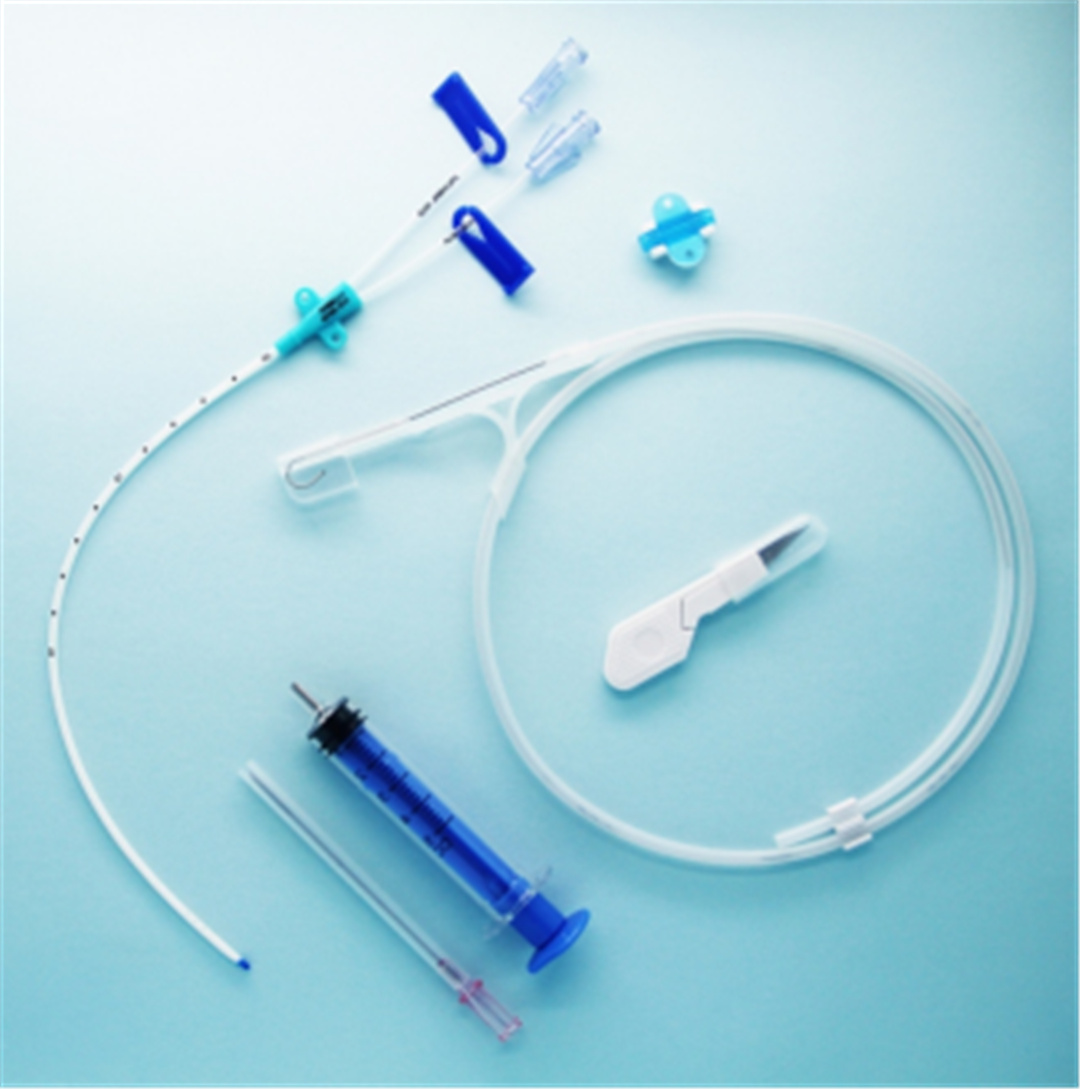
In intensive care, oncology chemotherapy, total parenteral nutrition, and long-term infusion therapy, there exists a critical pathway often referred to as the "lifeline"—the central venous catheter (CVC) . By placing the catheter tip in the central veins such as the superior vena cava or inferior vena cava, it provides a reliable conduit for high-volume fluid infusion, administration of hyperosmolar medications, and hemodynamic monitoring, establishing itself as an indispensable core consumable in modern Critical Care medicine.
Product Definition and Core Functions
A central venous catheter is a slender, flexible medical catheter typically inserted via the internal jugular vein, subclavian vein, or femoral vein, with its tip positioned in the central venous circulation. Its core functions include:
High-Volume Rapid Infusion: Central veins feature large diameters and high flow rates, accommodating high-volume fluid administration to meet emergent needs such as shock resuscitation and intraoperative fluid replacement during major surgeries.
Administration of Hyperosmolar/Irritant Medications: Medications that are highly irritating to peripheral vessels—such as concentrated electrolytes, chemotherapeutic agents, and total parenteral nutrition formulations—can be safely administered via central Venous Access, significantly reducing the risk of phlebitis and tissue damage.
Central Venous Pressure Monitoring: By connecting the catheter to a pressure transducer, real-time central venous pressure monitoring can be performed, providing critical data for assessing patient volume status and cardiac function.
Long-Term Vascular Access: Constructed from medical-grade polyurethane or silicone, these catheters offer excellent biocompatibility and antithrombotic properties, allowing for indwelling periods ranging from weeks to months to meet the needs of long-term therapy.
Technological Advantages: From Basic to Refined Design
In response to evolving clinical demands, central venous catheters have undergone continuous optimization in product design and material technology:
Material Innovation: Contemporary central venous catheters are predominantly manufactured from polyurethane or silicone. Polyurethane catheters offer high tensile strength, maintaining moderate rigidity at room temperature while softening upon exposure to body temperature, thereby reducing vascular injury. Silicone catheters are recognized for their exceptional flexibility and biocompatibility, making them well-suited for long-term indwelling applications.
Antimicrobial Technologies: Catheter-related bloodstream infection represents one of the most serious complications associated with central venous catheters. Next-generation products incorporate surface coating technologies (such as chlorhexidine/silver ion coatings or antibiotic coatings) or utilize inherently antimicrobial materials to effectively inhibit bacterial colonization and biofilm formation, significantly reducing infection rates.
Catheter Tip Localization: Certain products are equipped with tip localization technologies that can be identified by ultrasound or electromagnetic navigation systems, assisting operators in confirming catheter tip position in real time during insertion and thereby reducing complications related to malposition as well as minimizing radiation exposure.
Multilumen Design: Based on clinical requirements, central venous catheters can be configured with dual-lumen, triple-lumen, or even quadruple-lumen designs, enabling simultaneous infusion of different fluids, administration of incompatible medications, and concurrent pressure monitoring without interference, thereby enhancing treatment efficiency.
Clinical Application Scenarios
Central venous catheters have a broad range of applications across multiple clinical specialties:
Intensive Care:Shock resuscitation, hemodynamic monitoring, vasoactive medication administration
Oncology:Chemotherapy infusion, establishment of long-term vascular access
Nutritional Support:Total parenteral nutrition (TPN) administration
Anesthesia & Surgery:Intraoperative fluid replacement during major surgeries, rapid blood transfusion, central venous pressure monitoring
Emergency Medicine:Establishment of emergent vascular access when peripheral venous access is challenging
Product Selection and Usage Precautions
When selecting a central venous catheter for clinical use, consideration should be given to patient condition, treatment requirements, and catheter characteristics:
Catheter Material: For short-term indwelling (<14 days), polyurethane catheters may be selected. For long-term indwelling, silicone catheters offer advantages due to their superior flexibility and lower thrombosis rates.
Lumen Selection: Single-lumen catheters are suitable for monitoring purposes or single medication administration. Dual-lumen or multilumen catheters are indicated for patients requiring concurrent administration of multiple medications or fluids, particularly when compatibility issues exist.
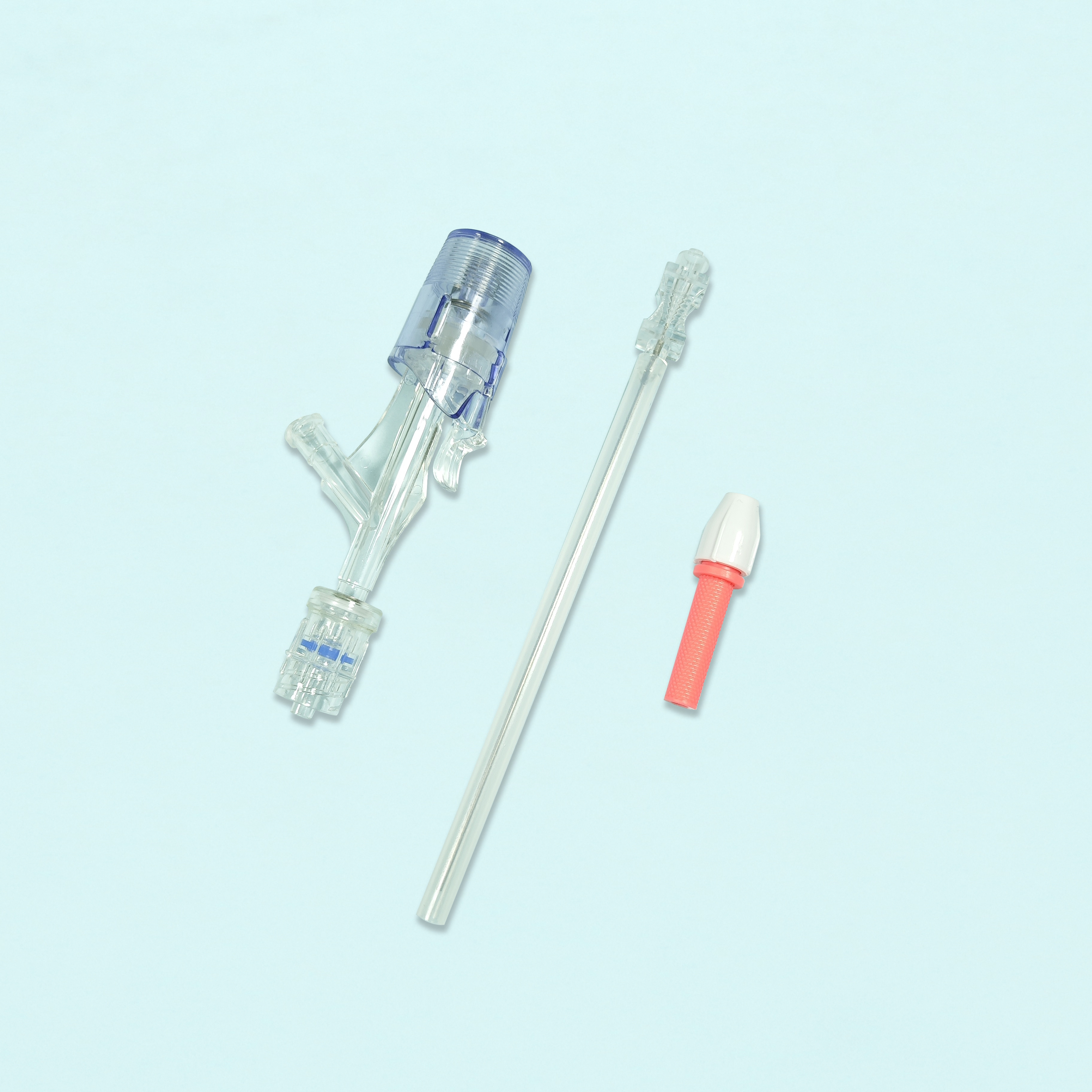
Connector Compatibility: Verify the compatibility of the connector with commonly used balloon catheters; universal rotating connectors represent the current mainstream configuration.
Antimicrobial Performance: For patients at elevated risk of infection (such as those who are immunocompromised, require long-term indwelling, or are in intensive care), catheters with antimicrobial coatings should be prioritized.
Catheter Specifications: Select appropriate outer diameter (Fr) and length based on intended use. Adult patients commonly receive 7Fr dual-lumen or triple-lumen catheters, while pediatric patients require specialized sizes.
During use, strict adherence to aseptic technique is essential. Following insertion, the necessity of continued catheterization should be regularly assessed, and the insertion site should be inspected daily for signs of infection such as erythema or exudate. Catheter maintenance should follow standardized flushing and locking protocols to prevent thrombosis and catheter occlusion.
Future Outlook
With ongoing advancements in vascular access concepts and materials science, central venous catheters are evolving toward greater safety, intelligence, and precision:
Upgraded Antimicrobial Technologies: Novel non-leaching antimicrobial coatings can inhibit bacterial adhesion without releasing drugs, potentially reducing the risk of antimicrobial resistance.
Intelligent Tip Navigation: The integration of electromagnetic navigation and fiber optic sensing technologies with central venous catheters will enable real-time visualization during insertion and precise confirmation of tip position.
Enhanced Biocompatibility: The application of biomimetic coatings and antithrombotic surface modifications will further reduce the risks of thrombosis and vascular injury.
Integrated Access Management: Central venous catheters will form a comprehensive product portfolio together with implantable venous access ports and peripherally inserted central catheters, providing systematic solutions for vascular access selection tailored to different treatment durations and patient populations.
It is anticipated that, as the "lifeline" in the care of critically ill patients, central venous catheters will continue to provide safer and more reliable vascular access solutions, driven by the dual forces of technological innovation and advancing clinical standards.
Disclaimer: This article is for medical popularization, purposes only and does not constitute professional medical advice. Please always follow the diagnosis and treatment plans provided by your treating physician.