Choosing the right Drainage Catheter can really make a world of difference when it comes to patient care. Back in 2020, the global market for these catheters was estimated at around $1.2 billion, and it’s actually growing pretty steadily—about 6.5% a year. That just goes to show how much we’re relying on proper catheterization to manage fluid drainage across different medical conditions.
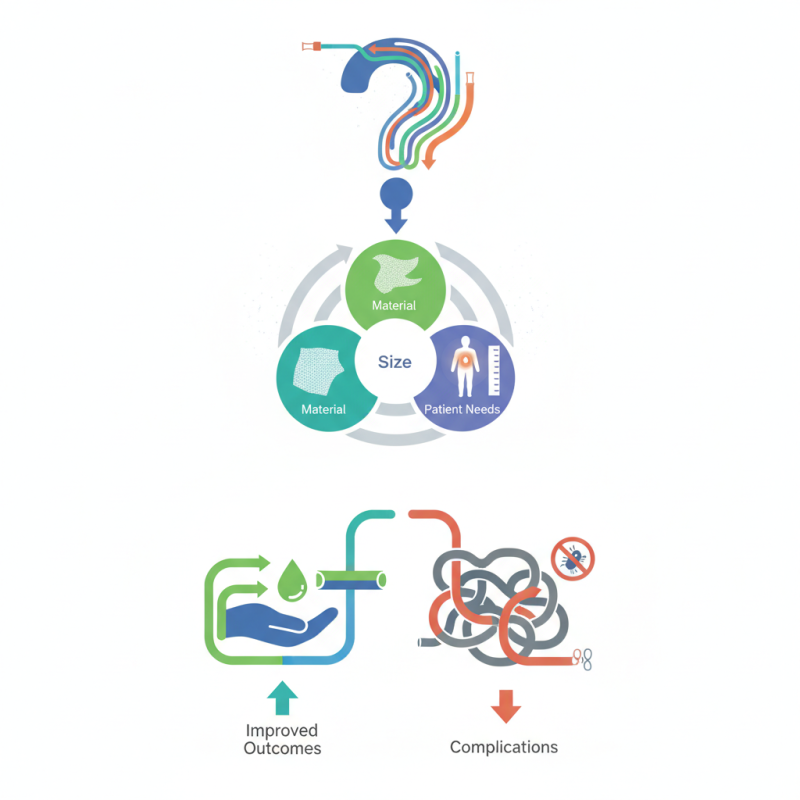
Figuring out which Drainage Catheter to go with isn’t just about picking something off the shelf. It involves considering things like the material, the size, and what’s best for each patient. Different hospitals or clinics might have their own protocols, but what’s consistent is how important the choice really is. Using the wrong one can lead to issues like infections or blockages, which can even mean longer stays in the hospital. In fact, according to the Journal of Vascular Surgery, up to 30% of catheter placements run into problems because of improper selection.
Industry experts often remind us that even though we’ve come a long way with new technologies and options, decision-making has gotten more complex. Every patient is different, which means healthcare pros need to tailor their choices carefully. In the end, picking the right Drainage Catheter doesn’t just matter—it can seriously influence patient outcomes, so making informed and thoughtful decisions is pretty much essential.
Understanding the Purpose of Drainage Catheters
When it comes to drainage catheters, understanding their purpose is vital. Drainage catheters, like the popular Drainage Catheter 8f, serve to remove fluids or gases that build up in the body. They help prevent infections and promote healing by ensuring that excess fluids do not cause complications. Knowing when and why to use these catheters can make a significant difference in patient care.
When selecting the right drainage catheter, consider the specific medical needs. One tip is to evaluate the type of fluid being drained. Some fluids are thicker and may require larger or differently designed catheters. Another important factor is the duration of use. For long-term drainage, ensure that the catheter’s material and size can withstand extended periods.
Involving healthcare professionals is crucial. Their expertise can guide the selection process. Always assess potential risks associated with drainage procedures, such as blockages or infections. A thorough understanding of drainage catheters can improve outcomes and patient comfort. Each patient's needs are unique, and reflecting on these aspects will lead to better choices.
Types of Drainage Catheters and Their Applications
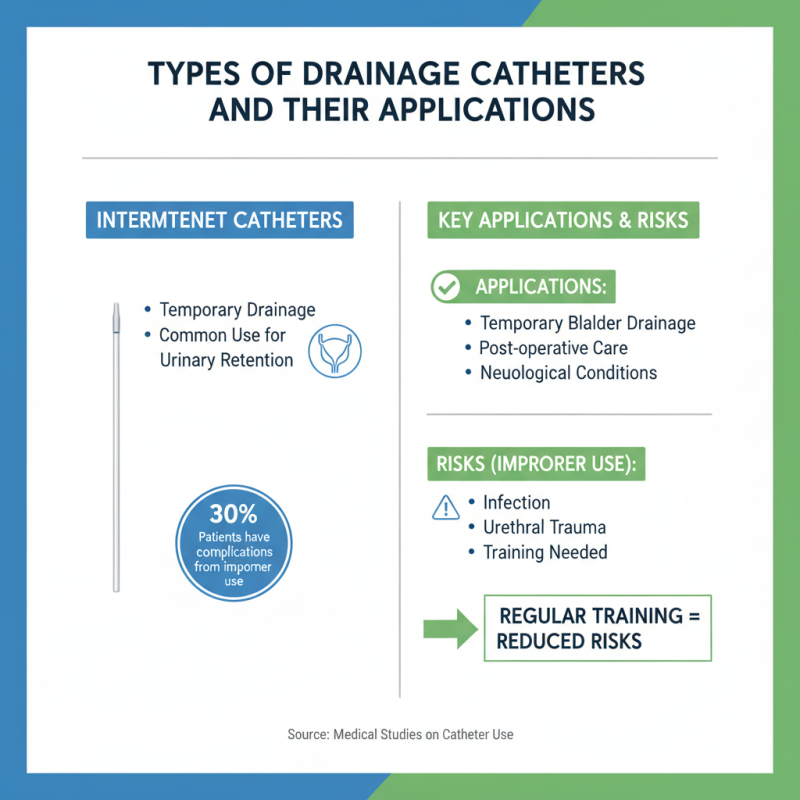
When selecting a drainage catheter, understanding the types available is crucial. Intermittent catheters are commonly used for temporary drainage. They can effectively manage conditions like urinary retention. Studies show that 30% of patients experience complications due to improper usage. Regular training can mitigate such risks.
Indwelling catheters are another option. They remain in place for a longer duration. Data indicates they account for 65% of all catheter-related infections. Thus, proper hygiene and maintenance are vital. Various sizes and materials are available, impacting patient comfort and infection rates.
Finally, ensure to consider specific applications, such as nephrostomy and cholecystostomy. These specialized catheters serve distinct medical needs. Doctors often adjust catheter selection based on individual patient conditions. Misjudgment in selection can lead to serious complications. Therefore, ongoing education in catheter use remains essential for healthcare professionals.
Key Factors to Consider When Choosing a Drainage Catheter
When choosing a drainage catheter, it's essential to consider several key factors. Patient comfort is a priority. A well-designed catheter minimizes discomfort during insertion and afterward. The catheter size, such as a 12f diameter, plays a significant role. Research indicates that using an appropriate size can reduce complications like leakage or infection.
Material choice impacts performance. Catheters made from silicone or polyurethane offer different benefits. Silicone, for instance, provides flexibility. On the other hand, polyurethane has a lower risk of encrustation. Understanding these factors increases your ability to select a suitable option. Reports show that informed choices lead to better patient outcomes.
Tips: Consider the intended use. Different conditions might require various catheter types. Always assess the patient's anatomy. A properly sized catheter reduces irritation and promotes healing. Continuous monitoring is vital for ensuring efficiency and safety. Pay attention to symptoms like pain or swelling, as they may indicate complications.
Assessing Patient Needs and Conditions for Catheter Selection
Choosing the right drainage catheter requires a deep understanding of patient needs. Each patient's condition is unique. Assessing the diagnosis and any existing comorbidities is essential. For example, patients with kidney stones may require a specific type of drainage catheter, such as a Drainage Catheter 14f, to effectively manage fluid output. Selection should be informed by clinical guidelines and best practices that emphasize the importance of size and material.
Data suggests that around 20% of catheter placements face complications due to inappropriate selection. This highlights the need for thorough evaluation. Factors such as the site of insertion and duration of catheter use must be carefully considered. Using the correct catheter size ensures optimal drainage. It reduces risks like obstruction or infection. A recent study indicated that catheters sized correctly lead to 30% fewer complications in post-surgery patients.
Patient preferences also play a crucial role. Understanding their concerns can Guide Catheter selection. Engaging patients in discussions about their options fosters a sense of control. This collaboration can improve adherence and overall satisfaction with care. Health professionals should continuously reflect on their selection processes to ensure high standards are met.
Material and Design Features for Optimal Drainage Catheters
Choosing the right drainage catheter is crucial for patient care. Key material and design features greatly influence efficiency and safety. Commonly used materials include silicone and polyurethane. Silicone is biocompatible and offers flexibility. Polyurethane, on the other hand, is known for its durability and resistance to crimping. These materials ensure optimal comfort and functionality.
Design features vary, impacting how well a catheter works. Look for options with various drainage lumen sizes. A larger lumen can improve flow rate, while a smaller one can aid in reducing infection risks. Consider drainage catheter lengths. Longer catheters may reach deeper areas, but can also complicate handling.
Catheters with multiple drainage holes can provide better drainage based on the situation. Some designs have antimicrobial coatings to reduce infection risks. However, these features may not be necessary in all cases. Evaluate the specific needs of the patient to avoid over-engineering a solution. Balancing these factors is essential to achieving successful outcomes.
Best Tips for Choosing the Right Drainage Catheter
| Feature | Description | Material | Benefits |
| Flexibility | Ability of the catheter to bend without kinking | Silicone | Reduces risk of obstruction |
| Biocompatibility | Compatibility with body tissue | Polyurethane | Minimizes adverse reactions |
| Size | Diameter and length selection | Various sizes available | Ensures optimal fit for drainage |
| Drainage Holes | Number and arrangement of drainage openings | Medical-grade polymer | Facilitates efficient fluid removal |
| Balloon Feature | Inflatable section to maintain placement | Latex or silicone | Improved retention in the target area |
Common Complications and How to Mitigate Them
Choosing the right drainage catheter is essential to minimize complications. Common issues include infection, blockage, and discomfort. Infections can occur in up to 20% of cases. Proper insertion techniques and post-operative care can reduce these rates significantly.
Blockage is another frequent complication, affecting about 15% of patients. Using a Drainage Catheter 10f can help as its larger diameter allows for better drainage of fluid. Regular monitoring and flushing can also prevent blockage.
Discomfort is often reported during the use of catheters. Patients may face challenges when adjusting to a new catheter. Open communication with healthcare providers is vital. Addressing patient concerns can enhance comfort and satisfaction. Overall, careful selection and management of drainage catheters are crucial to minimize complications and improve patient outcomes.
Consultation with Healthcare Professionals for Choosing Catheters
Consultation with healthcare professionals is essential when choosing the right drainage catheter. These experts can provide valuable insights based on their experience and knowledge. According to a recent study, nearly 70% of catheter-related complications can be mitigated with proper pre-implantation assessments. Such consultations ensure the chosen catheter fits the specific medical needs of the patient.
Understanding the various types of drainage catheters is crucial. Healthcare professionals can help evaluate factors like material, size, and intended use. For instance, some catheters are more suitable for long-term use, while others serve short-term needs. The decision-making process may involve discussions on risks, such as infection rates, which can be as high as 30% without proper clinical guidance.
Mistakes can happen if patients choose without professional help. Selecting the wrong catheter may lead to improper drainage, affecting recovery. Moreover, patients may feel anxious or believe they grasp all relevant information. Healthcare professionals not only provide data but also the reassurance needed. They can guide patients through the complexities of catheterization, ensuring a safer experience.
Essential Guide to Selecting and Using Short Term Hemodialysis Catheters for Effective Patient Care
Short-term hemodialysis catheters play a crucial role in providing immediate vascular access for patients who require urgent hemodialysis treatment. These medical devices are typically inserted into major Central Veins, such as the jugular, subclavian, or femoral veins, to facilitate quick and efficient dialysis sessions. The primary purpose of these catheters is to ensure that patients with acute kidney injury or those in need of urgent care receive the necessary treatment without delay. Designed for short-term use, these catheters can remain in place for several days to weeks, making them invaluable in emergency medical settings.
When choosing a short-term hemodialysis catheter, healthcare providers must consider several factors to ensure effective patient care. The catheter's design and materials can influence both the ease of insertion and the patient's comfort during treatment. Additionally, the risk of complications, such as infection or thrombosis, is a critical concern during catheter selection. Proper insertion techniques and adherence to sterile procedures are vital to minimize complications and optimize patient outcomes. With careful consideration, healthcare professionals can effectively utilize short-term hemodialysis catheters to provide timely and life-saving care.
FAQS
: Intermittent and indwelling catheters are the main types. Intermittent catheters are for temporary use, while indwelling catheters stay longer.
They are used for conditions like urinary retention. Proper usage is important to avoid complications.
They account for 65% of catheter-related infections. Hygiene and maintenance are crucial to minimize risks.
They provide insights for selecting the right catheter type. Their expertise reduces the risk of complications.
Nearly 70% of catheter-related complications can be mitigated with appropriate pre-implantation assessments.
Different sizes and materials can impact comfort and infection rates. Understanding these factors is vital.
It may lead to improper drainage, negatively impacting recovery. Mistakes can occur without professional guidance.
Yes, catheters like nephrostomy and cholecystostomy serve distinct medical needs based on patient conditions.
They not only provide information but also reassurance. They guide patients through the complexities of catheterization.
Patients may feel confident but risk choosing the wrong catheter, leading to complications or discomfort.
Conclusion
When selecting a drainage catheter, it's essential to first understand its purpose and the various types available, as each is designed for specific applications. Key factors to consider include the patient's unique needs and conditions, alongside the material and design features that contribute to optimal performance. It is also vital to be aware of common complications that may arise and strategies to mitigate them effectively.
Consultation with healthcare professionals is crucial in the catheter selection process, ensuring that the chosen drainage catheter aligns with both medical requirements and patient preferences. By carefully evaluating these aspects, healthcare providers can enhance patient outcomes and minimize discomfort associated with drainage procedures.